
Understanding your body weight isn’t just about how you look. It’s about knowing if your weight might affect your health. This is where Body Mass Index, or BMI, becomes really useful. Let’s explore why this simple number matters so much for your health and wellbeing.
What is Body Mass Index (BMI) and Why Body Mass Index (BMI) is Important?
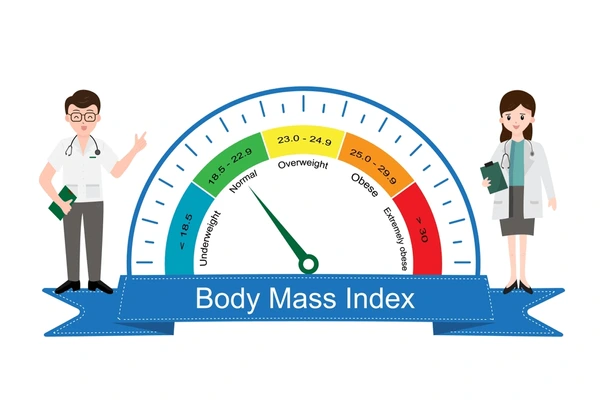
Body Mass Index is a simple calculation that uses your height and weight to figure out if you’re at a healthy weight. Think of it as a quick health check that doctors and health experts use worldwide. The BMI calculator gives you a number that places you into different weight categories: underweight, normal weight, overweight, or obese.
The beauty of BMI is its simplicity. You don’t need expensive tests or special equipment. Just your height and weight, and you get valuable information about your health status.
Why Should You Care About Your BMI?
1. It Helps You Understand Your Health Risks
Your BMI can tell you a lot about potential health problems down the road. Research from health organizations like the CDC and WHO shows that people with BMI numbers outside the healthy range face higher risks for certain diseases.
When your BMI is too high, you might be at greater risk for conditions like type 2 diabetes, heart disease, high blood pressure, and certain types of cancer. On the flip side, a BMI that’s too low can signal problems like weak bones, a weakened immune system, and nutritional deficiencies.
2. It’s a Simple Screening Tool Everyone Can Use
One of the best things about BMI is how easy it is to check. You don’t need a doctor’s appointment or lab tests. With a BMI calculator, you can check your status in seconds, anytime, anywhere. This makes it perfect for regular health monitoring at home.
Healthcare providers around the world use BMI as a starting point during check-ups. It helps them quickly spot potential weight-related health concerns and decide if more detailed tests are needed.
3. It Helps You Set Realistic Health Goals
Knowing your BMI gives you a clear target. If your BMI shows you’re in the overweight range, you’ll know roughly how much weight you need to lose to reach the healthy weight category. This makes goal-setting much easier and more practical.
For example, if you’re 5 feet 6 inches tall, a healthy BMI means weighing between 115 and 154 pounds. This range gives you flexibility while keeping health as the priority.
4. It Tracks Your Progress Over Time
BMI isn’t just a one-time measurement. By calculating your BMI regularly, you can see how your efforts are paying off. Whether you’re trying to lose weight, gain healthy weight, or maintain your current weight, tracking BMI helps you stay on course.
Seeing your BMI number move into a healthier range can be incredibly motivating. It’s concrete proof that your healthy eating and exercise habits are working.
5. It Helps Prevent Serious Health Problems
Prevention is always better than treatment. By keeping your BMI in the healthy range, you’re actively reducing your risk for many chronic diseases. Studies show that maintaining a healthy weight can prevent or delay conditions like diabetes, heart problems, and high cholesterol.
Think of BMI monitoring as an early warning system. If your BMI starts creeping up, you can take action before serious health issues develop.
Understanding BMI Categories
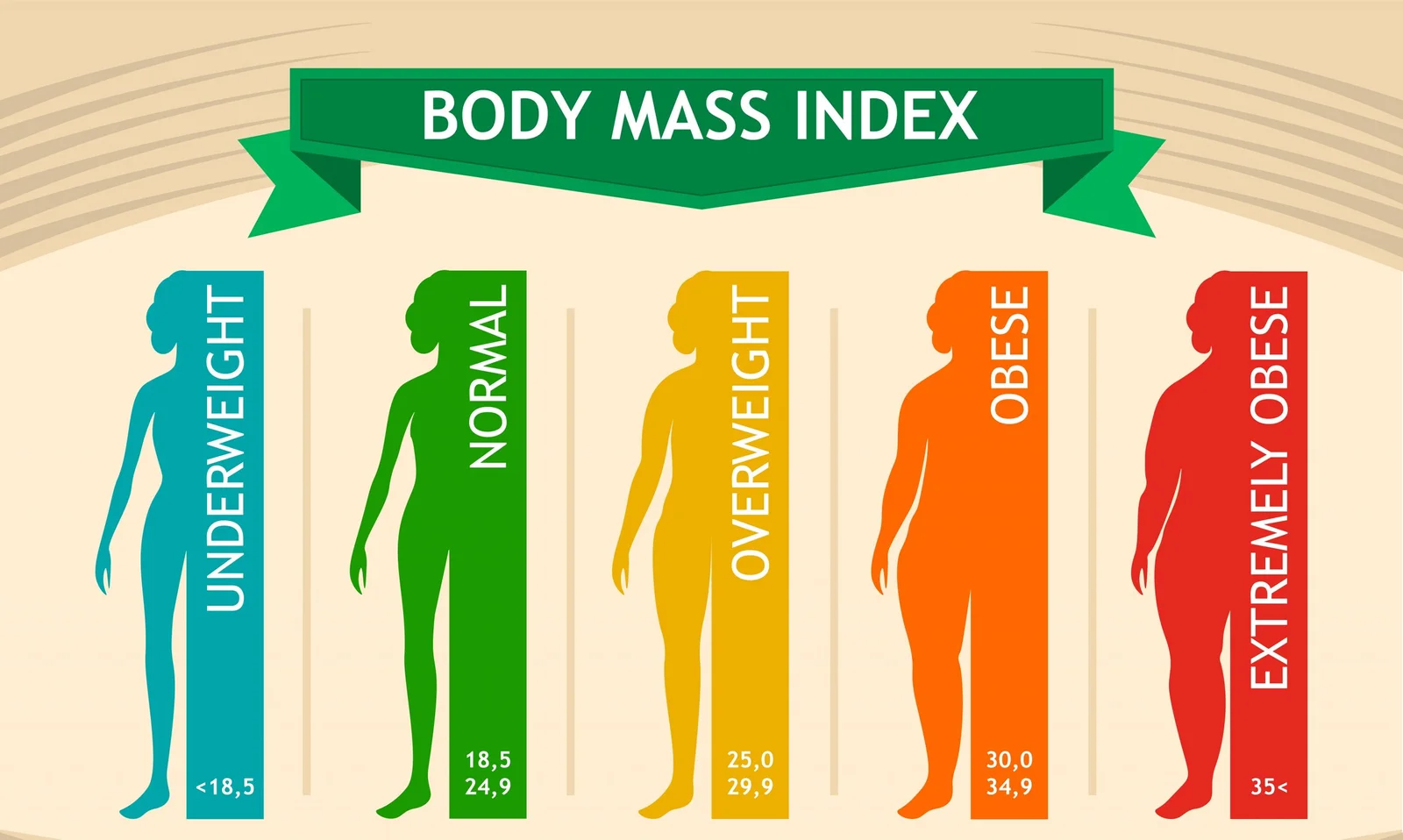
The BMI chart puts people into different categories based on their number:
Underweight: BMI below 18.5 – May need to gain weight for better health
Normal Weight: BMI 18.5 to 24.9 – Ideal range for most adults
Overweight: BMI 25 to 29.9 – Higher risk for health problems
Obese: BMI 30 and above – Significantly increased health risks
These categories help you understand where you stand and whether you need to make changes.
BMI and Different Life Stages
BMI matters differently depending on your age and life situation. For adults aged 20 and older, the same BMI ranges apply whether you’re male or female. However, for children and teenagers, BMI is calculated differently because their bodies are still growing.
Pregnant women should talk to their doctor about weight, as normal BMI ranges don’t apply during pregnancy. Older adults over 65 might benefit from a slightly higher BMI, around 25 to 27, since some extra weight can be protective as we age.
The Bigger Picture: BMI as Part of Your Health Story
While BMI is important, it’s just one piece of the health puzzle. It works best when combined with other health information like your blood pressure, cholesterol levels, blood sugar, and how active you are.
BMI doesn’t tell you everything. For instance, it can’t tell the difference between muscle and fat. A bodybuilder might have a high BMI because of muscle mass, even though they’re very healthy. Similarly, someone might have a normal BMI but still have too much body fat if they’re inactive.
This is why doctors look at BMI alongside other measurements like waist size and overall fitness when evaluating your health.
Taking Action Based on Your BMI
If your BMI calculator results show you’re outside the healthy range, don’t panic. Use it as motivation to make positive changes. Start with small, manageable steps like adding more vegetables to your meals, taking daily walks, or drinking more water instead of sugary drinks.
Always talk to your doctor or a healthcare provider about your BMI results, especially if you’re planning major lifestyle changes. They can give you personalized advice based on your complete health picture, not just your BMI number.